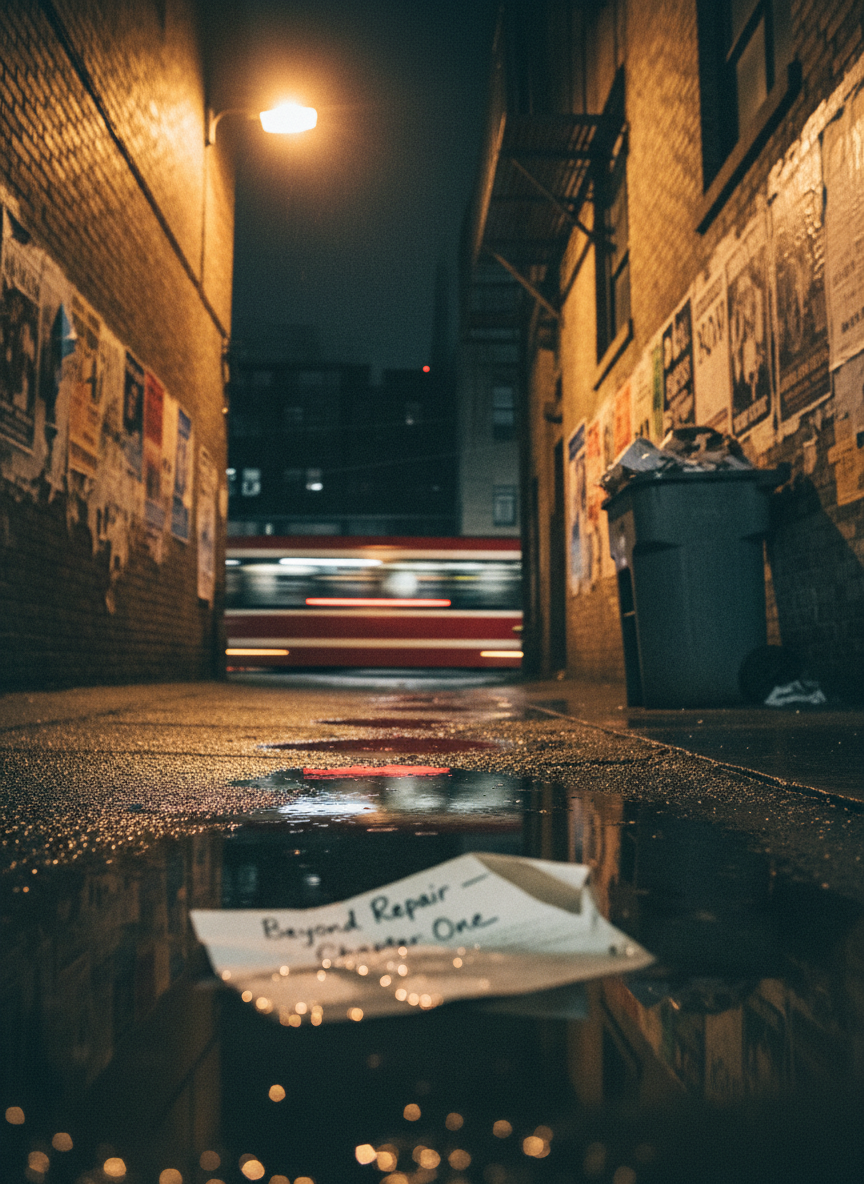
A rain-slicked Toronto alleyway from the late 1970s, photographed at night, with glistening puddles reflecting the red and white glow of a passing streetcar in the distance. Brick walls, worn posters, and a dented metal garbage bin line the narrow passage. A discarded, crumpled manuscript page with the words “Beyond Repair – Chapter One” lies in the foreground, ink slightly smudged by rain. Sodium-vapor streetlights cast a harsh, yellow-orange light, creating deep, angular shadows and a cinematic, almost detective-thriller mood. Photographic realism with a low-angle perspective and strong depth of field draws the eye from the wet paper in the foreground to the blurred urban light in the distance.
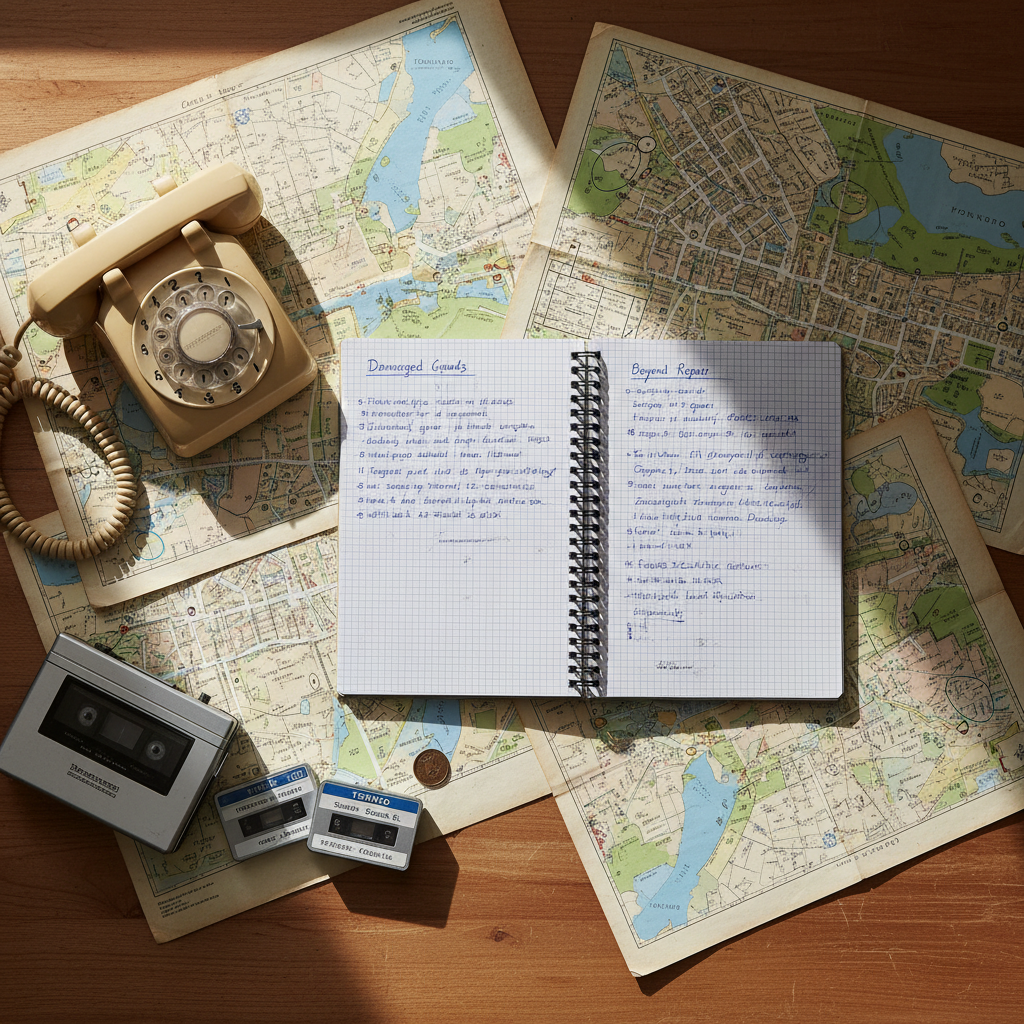
An overhead photographic view of a 1970s Toronto writer’s desk, crowded but organized, featuring a spiral-bound notebook filled with handwritten chapter outlines labeled “Damaged Goods” and “Beyond Repair.” Around it lie dog-eared city maps of Toronto, a rotary telephone, a small portable cassette recorder with labeled interview tapes, and a faded subway token. Soft, diffused morning light from an unseen window washes across the wooden surface, creating gentle, natural shadows and a contemplative, professional mood. Photographic realism with sharp focus across the frame emphasizes the textures of paper, metal, and plastic, giving a documentary-like glimpse into the meticulous planning behind gritty urban fiction, all without any visible person.
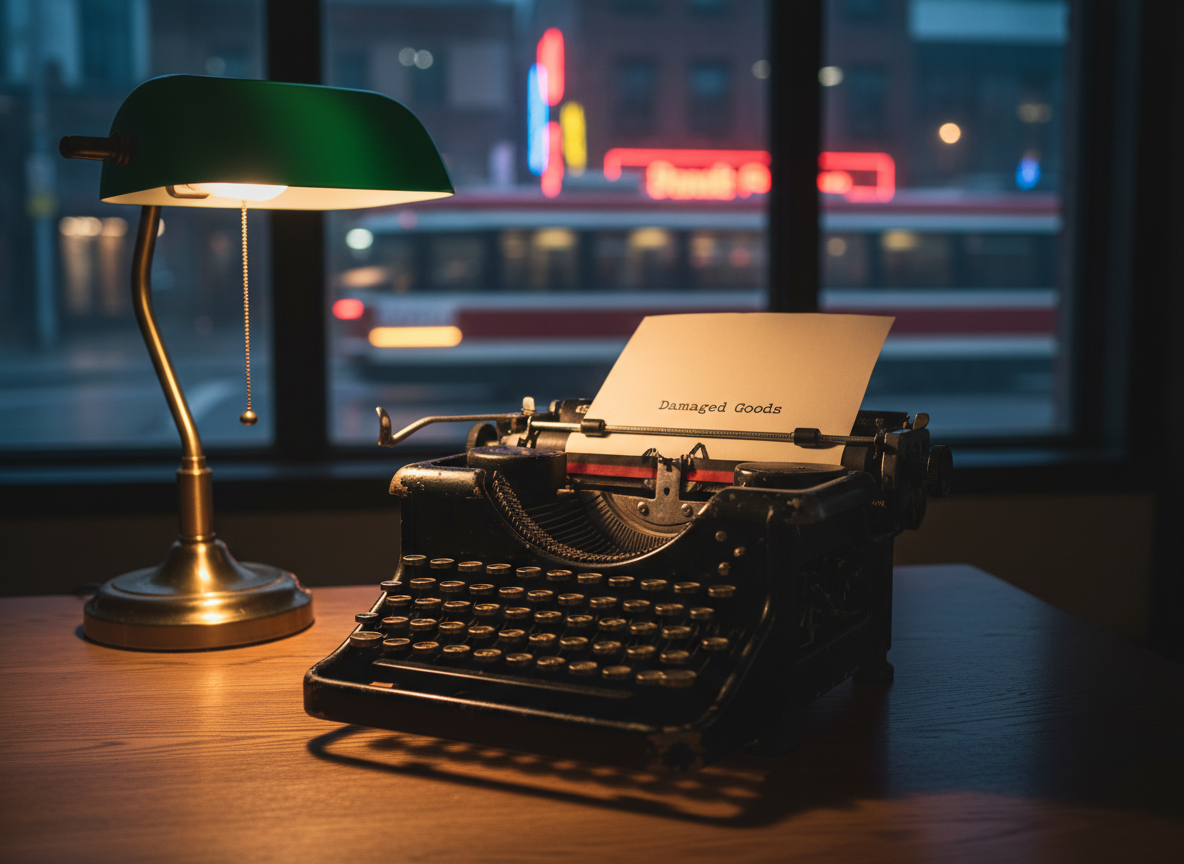
A meticulously detailed vintage typewriter, its black metal body slightly worn at the edges, sits on a heavy oak desk in a modest Toronto apartment. A single sheet of slightly yellowed paper is rolled into the carriage, bearing the bold, typed title “Damaged Goods” at the top. Outside the window, out of focus, neon streetlights and a blurred streetcar hint at a late-1970s city night. Warm, low tungsten lamp light falls across the keys, creating sharp, cinematic shadows and metallic highlights. Photographic realism, eye-level composition with shallow depth of field, emphasizes the typewriter’s texture and the quiet, focused mood of a crime writer at work, without showing any person.

Here you’ll find concise synopses, setting notes, and a clear reading order, with links directing you to deeper details.
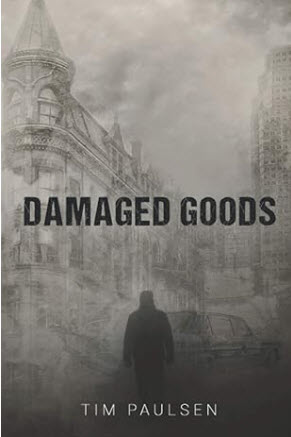
Tim Paulsen Praise

A rain-slicked Toronto alleyway from the late 1970s, photographed at night, with glistening puddles reflecting the red and white glow of a passing streetcar in the distance. Brick walls, worn posters, and a dented metal garbage bin line the narrow passage. A discarded, crumpled manuscript page with the words “Beyond Repair – Chapter One” lies in the foreground, ink slightly smudged by rain. Sodium-vapor streetlights cast a harsh, yellow-orange light, creating deep, angular shadows and a cinematic, almost detective-thriller mood. Photographic realism with a low-angle perspective and strong depth of field draws the eye from the wet paper in the foreground to the blurred urban light in the distance.

Hope D.

Damaged Goods haunted Toronto’s nights with its bruised heart.

An overhead photographic view of a 1970s Toronto writer’s desk, crowded but organized, featuring a spiral-bound notebook filled with handwritten chapter outlines labeled “Damaged Goods” and “Beyond Repair.” Around it lie dog-eared city maps of Toronto, a rotary telephone, a small portable cassette recorder with labeled interview tapes, and a faded subway token. Soft, diffused morning light from an unseen window washes across the wooden surface, creating gentle, natural shadows and a contemplative, professional mood. Photographic realism with sharp focus across the frame emphasizes the textures of paper, metal, and plastic, giving a documentary-like glimpse into the meticulous planning behind gritty urban fiction, all without any visible person.

Hope D.

Beyond Repair leaves the city darker yet hopeful.

A meticulously detailed vintage typewriter, its black metal body slightly worn at the edges, sits on a heavy oak desk in a modest Toronto apartment. A single sheet of slightly yellowed paper is rolled into the carriage, bearing the bold, typed title “Damaged Goods” at the top. Outside the window, out of focus, neon streetlights and a blurred streetcar hint at a late-1970s city night. Warm, low tungsten lamp light falls across the keys, creating sharp, cinematic shadows and metallic highlights. Photographic realism, eye-level composition with shallow depth of field, emphasizes the typewriter’s texture and the quiet, focused mood of a crime writer at work, without showing any person.

Hope D.

Both novels shimmer with late-70s Toronto grit.
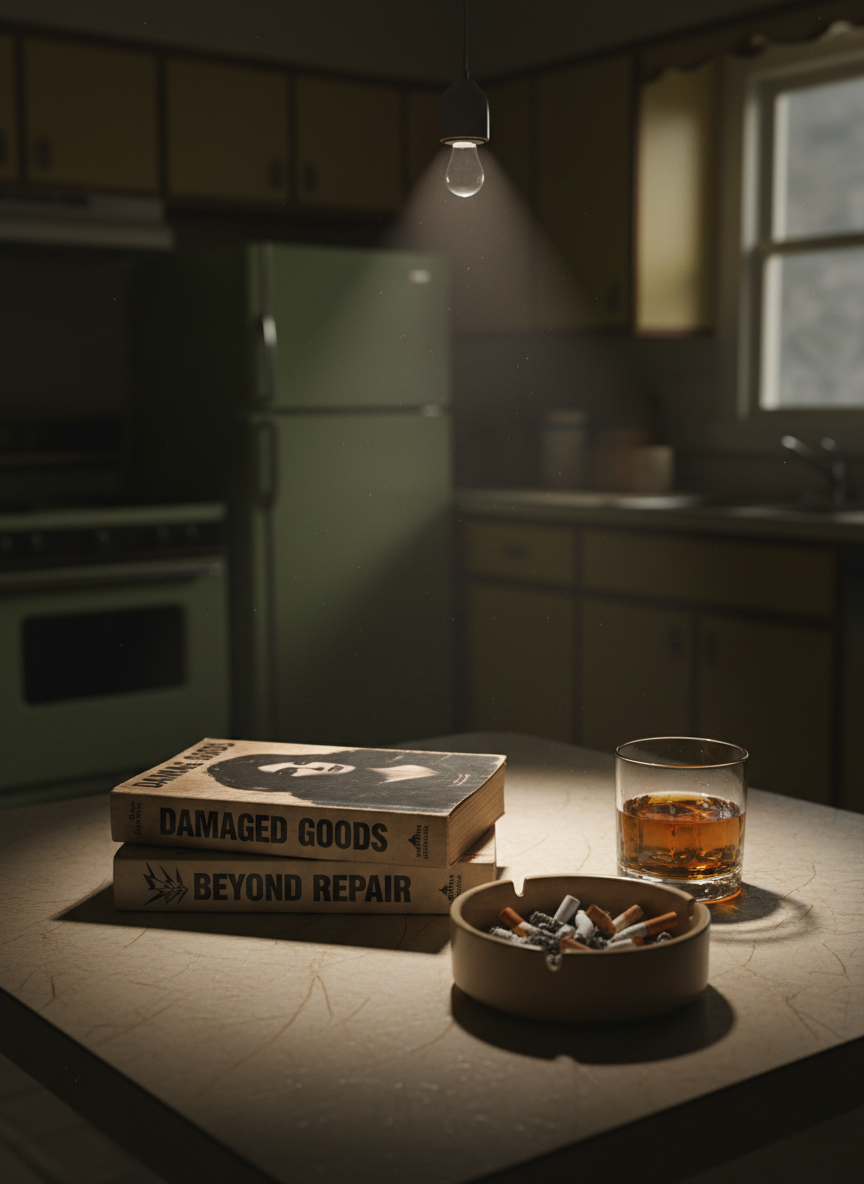
A stack of two well-worn paperback novels titled “Damaged Goods” and “Beyond Repair” rests on a scratched laminate kitchen table typical of late-1970s Toronto apartments. Beside the books, a ceramic ashtray overflows with stubbed-out cigarettes, and a half-drunk glass of amber whisky catches the light. The background shows an out-of-focus, narrow galley kitchen with avocado-green appliances and dim ceiling light. A single overhead bulb casts moody, cinematic lighting, pooling highlights on the book covers and deep shadows around them. Photographic realism, slightly elevated angle using rule-of-thirds composition, creates a tense, gritty atmosphere that evokes noir fiction without including any human presence.

Hope D.

Tim Paulsen writes with fearless authenticity.